





SOME SEFER TORAH STATISTICS
BS"D
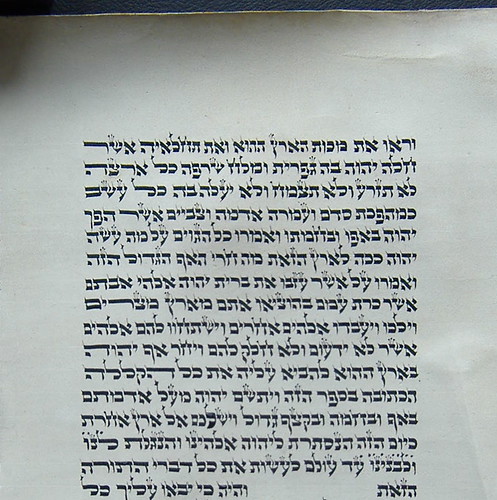
For Sifrei Torah written since about 1860:
42 lines per amud, column
248 amudim, columns (approximately)
With the exception of 6 amudim, all begin with the letter Vav, ו
3 - 5 amudim per yeri'ah, sheet of parchment
50 - 62 yeri'ot, parchment sheets, per scroll
The 42 lines refer to the number of stops we made on our desert journey, from Egypt to the Land of Israel, as summarized in Be-midbar/Numbers 33:1 - 49 (text taken from Mechon-Mamre:
א אֵלֶּה מַסְעֵי בְנֵי-יִשְׂרָאֵל, אֲשֶׁר יָצְאוּ מֵאֶרֶץ מִצְרַיִם--לְצִבְאֹתָם: בְּיַד-מֹשֶׁה, וְאַהֲרֹן. 1
These are the stages of the children of Israel, by which they went forth out of the land of Egypt by their hosts under the hand of Moses and Aaron.
ב וַיִּכְתֹּב מֹשֶׁה אֶת-מוֹצָאֵיהֶם, לְמַסְעֵיהֶם--עַל-פִּי יְהוָה; וְאֵלֶּה מַסְעֵיהֶם, לְמוֹצָאֵיהֶם. 2
And Moses wrote their goings forth, stage by stage, by the commandment of the LORD; and these are their stages at their goings forth.
ג וַיִּסְעוּ מֵרַעְמְסֵס בַּחֹדֶשׁ הָרִאשׁוֹן, בַּחֲמִשָּׁה עָשָׂר יוֹם לַחֹדֶשׁ הָרִאשׁוֹן: מִמָּחֳרַת הַפֶּסַח, יָצְאוּ בְנֵי-יִשְׂרָאֵל בְּיָד רָמָה--לְעֵינֵי, כָּל-מִצְרָיִם. 3
And they journeyed from Rameses in the first month, on the fifteenth day of the first month; on the morrow after the passover the children of Israel went out with a high hand in the sight of all the Egyptians,
ד וּמִצְרַיִם מְקַבְּרִים, אֵת אֲשֶׁר הִכָּה יְהוָה בָּהֶם--כָּל-בְּכוֹר; וּבֵאלֹהֵיהֶם, עָשָׂה יְהוָה שְׁפָטִים. 4
while the Egyptians were burying them that the LORD had smitten among them, even all their first-born; upon their gods also the LORD executed judgments.
ה וַיִּסְעוּ בְנֵי-יִשְׂרָאֵל, מֵרַעְמְסֵס; וַיַּחֲנוּ, בְּסֻכֹּת. 5
And the children of Israel journeyed from Rameses, and pitched in Succoth.
ו וַיִּסְעוּ, מִסֻּכֹּת; וַיַּחֲנוּ בְאֵתָם, אֲשֶׁר בִּקְצֵה הַמִּדְבָּר. 6
And they journeyed from Succoth, and pitched in Etham, which is in the edge of the wilderness.
ז וַיִּסְעוּ, מֵאֵתָם, וַיָּשָׁב עַל-פִּי הַחִירֹת, אֲשֶׁר עַל-פְּנֵי בַּעַל צְפוֹן; וַיַּחֲנוּ, לִפְנֵי מִגְדֹּל. 7
And they journeyed from Etham, and turned back unto Pihahiroth, which is before Baal-zephon; and they pitched before Migdol.
ח וַיִּסְעוּ מִפְּנֵי הַחִירֹת, וַיַּעַבְרוּ בְתוֹךְ-הַיָּם הַמִּדְבָּרָה; וַיֵּלְכוּ דֶּרֶךְ שְׁלֹשֶׁת יָמִים, בְּמִדְבַּר אֵתָם, וַיַּחֲנוּ, בְּמָרָה. 8
And they journeyed from Penehahiroth, and passed through the midst of the sea into the wilderness; and they went three days' journey in the wilderness of Etham, and pitched in Marah.
ט וַיִּסְעוּ, מִמָּרָה, וַיָּבֹאוּ, אֵילִמָה; וּבְאֵילִם שְׁתֵּים עֶשְׂרֵה עֵינֹת מַיִם, וְשִׁבְעִים תְּמָרִים--וַיַּחֲנוּ-שָׁם. 9
And they journeyed from Marah, and came unto Elim; and in Elim were twelve springs of water, and threescore and ten palm-trees; and they pitched there.
י וַיִּסְעוּ, מֵאֵילִם; וַיַּחֲנוּ, עַל-יַם-סוּף. 10
And they journeyed from Elim, and pitched by the Red Sea.
יא וַיִּסְעוּ, מִיַּם-סוּף; וַיַּחֲנוּ, בְּמִדְבַּר-סִין. 11
And they journeyed from the Red Sea, and pitched in the wilderness of Sin.
יב וַיִּסְעוּ, מִמִּדְבַּר-סִין; וַיַּחֲנוּ, בְּדָפְקָה. 12
And they journeyed from the wilderness of Sin, and pitched in Dophkah.
יג וַיִּסְעוּ, מִדָּפְקָה; וַיַּחֲנוּ, בְּאָלוּשׁ. 13
And they journeyed from Dophkah, and pitched in Alush.
יד וַיִּסְעוּ, מֵאָלוּשׁ; וַיַּחֲנוּ, בִּרְפִידִם, וְלֹא-הָיָה שָׁם מַיִם לָעָם, לִשְׁתּוֹת. 14
And they journeyed from Alush, and pitched in Rephidim, where was no water for the people to drink.
טו וַיִּסְעוּ, מֵרְפִידִם; וַיַּחֲנוּ, בְּמִדְבַּר סִינָי. 15
And they journeyed from Rephidim, and pitched in the wilderness of Sinai.
טז וַיִּסְעוּ, מִמִּדְבַּר סִינָי; וַיַּחֲנוּ, בְּקִבְרֹת הַתַּאֲוָה. 16
And they journeyed from the wilderness of Sinai, and pitched in Kibroth-hattaavah.
יז וַיִּסְעוּ, מִקִּבְרֹת הַתַּאֲוָה; וַיַּחֲנוּ, בַּחֲצֵרֹת. 17
And they journeyed from Kibroth-hattaavah, and pitched in Hazeroth.
יח וַיִּסְעוּ, מֵחֲצֵרֹת; וַיַּחֲנוּ, בְּרִתְמָה. 18
And they journeyed from Hazeroth, and pitched in Rithmah.
יט וַיִּסְעוּ, מֵרִתְמָה; וַיַּחֲנוּ, בְּרִמֹּן פָּרֶץ. 19
And they journeyed from Rithmah, and pitched in Rimmon-perez.
כ וַיִּסְעוּ, מֵרִמֹּן פָּרֶץ; וַיַּחֲנוּ, בְּלִבְנָה. 20
And they journeyed from Rimmon-perez, and pitched in Libnah.
כא וַיִּסְעוּ, מִלִּבְנָה; וַיַּחֲנוּ, בְּרִסָּה. 21
And they journeyed from Libnah, and pitched in Rissah.
כב וַיִּסְעוּ, מֵרִסָּה; וַיַּחֲנוּ, בִּקְהֵלָתָה. 22
And they journeyed from Rissah, and pitched in Kehelah.
כג וַיִּסְעוּ, מִקְּהֵלָתָה; וַיַּחֲנוּ, בְּהַר-שָׁפֶר. 23
And they journeyed from Kehelah, and pitched in mount Shepher.
כד וַיִּסְעוּ, מֵהַר-שָׁפֶר; וַיַּחֲנוּ, בַּחֲרָדָה. 24
And they journeyed from mount Shepher, and pitched in Haradah.
כה וַיִּסְעוּ, מֵחֲרָדָה; וַיַּחֲנוּ, בְּמַקְהֵלֹת. 25
And they journeyed from Haradah, and pitched in Makheloth.
כו וַיִּסְעוּ, מִמַּקְהֵלֹת; וַיַּחֲנוּ, בְּתָחַת. 26
And they journeyed from Makheloth, and pitched in Tahath.
כז וַיִּסְעוּ, מִתָּחַת; וַיַּחֲנוּ, בְּתָרַח. 27
And they journeyed from Tahath, and pitched in Terah.
כח וַיִּסְעוּ, מִתָּרַח; וַיַּחֲנוּ, בְּמִתְקָה. 28
And they journeyed from Terah, and pitched in Mithkah.
כט וַיִּסְעוּ, מִמִּתְקָה; וַיַּחֲנוּ, בְּחַשְׁמֹנָה. 29
And they journeyed from Mithkah, and pitched in Hashmonah.
ל וַיִּסְעוּ, מֵחַשְׁמֹנָה; וַיַּחֲנוּ, בְּמֹסֵרוֹת. 30
And they journeyed from Hashmonah, and pitched in Moseroth.
לא וַיִּסְעוּ, מִמֹּסֵרוֹת; וַיַּחֲנוּ, בִּבְנֵי יַעֲקָן. 31
And they journeyed from Moseroth, and pitched in Bene-jaakan.
לב וַיִּסְעוּ, מִבְּנֵי יַעֲקָן; וַיַּחֲנוּ, בְּחֹר הַגִּדְגָּד. 32
And they journeyed from Bene-jaakan, and pitched in Hor-haggidgad.
לג וַיִּסְעוּ, מֵחֹר הַגִּדְגָּד; וַיַּחֲנוּ, בְּיָטְבָתָה. 33
And they journeyed from Hor-haggidgad, and pitched in Jotbah.
לד וַיִּסְעוּ, מִיָּטְבָתָה; וַיַּחֲנוּ, בְּעַבְרֹנָה. 34
And they journeyed from Jotbah, and pitched in Abronah.
לה וַיִּסְעוּ, מֵעַבְרֹנָה; וַיַּחֲנוּ, בְּעֶצְיֹן גָּבֶר. 35
And they journeyed from Abronah, and pitched in Ezion-geber.
לו וַיִּסְעוּ, מֵעֶצְיֹן גָּבֶר; וַיַּחֲנוּ בְמִדְבַּר-צִן, הִוא קָדֵשׁ. 36
And they journeyed from Ezion-geber, and pitched in the wilderness of Zin--the same is Kadesh.
לז וַיִּסְעוּ, מִקָּדֵשׁ; וַיַּחֲנוּ בְּהֹר הָהָר, בִּקְצֵה אֶרֶץ אֱדוֹם. 37
And they journeyed from Kadesh, and pitched in mount Hor, in the edge of the land of Edom.--
לח וַיַּעַל אַהֲרֹן הַכֹּהֵן אֶל-הֹר הָהָר, עַל-פִּי יְהוָה--וַיָּמָת שָׁם: בִּשְׁנַת הָאַרְבָּעִים, לְצֵאת בְּנֵי-יִשְׂרָאֵל מֵאֶרֶץ מִצְרַיִם, בַּחֹדֶשׁ הַחֲמִישִׁי, בְּאֶחָד לַחֹדֶשׁ. 38
And Aaron the priest went up into mount Hor at the commandment of the LORD, and died there, in the fortieth year after the children of Israel were come out of the land of Egypt, in the fifth month, on the first day of the month.
לט וְאַהֲרֹן, בֶּן-שָׁלֹשׁ וְעֶשְׂרִים וּמְאַת שָׁנָה, בְּמֹתוֹ, בְּהֹר הָהָר. {ס} 39
And Aaron was a hundred and twenty and three years old when he died in mount Hor. {S}
מ וַיִּשְׁמַע, הַכְּנַעֲנִי מֶלֶךְ עֲרָד, וְהוּא-יֹשֵׁב בַּנֶּגֶב, בְּאֶרֶץ כְּנָעַן--בְּבֹא, בְּנֵי יִשְׂרָאֵל. 40
And the Canaanite, the king of Arad, who dwelt in the South in the land of Canaan, heard of the coming of the children of Israel.--
מא וַיִּסְעוּ, מֵהֹר הָהָר; וַיַּחֲנוּ, בְּצַלְמֹנָה. 41
And they journeyed from mount Hor, and pitched in Zalmonah.
מב וַיִּסְעוּ, מִצַּלְמֹנָה; וַיַּחֲנוּ, בְּפוּנֹן. 42
And they journeyed from Zalmonah, and pitched in Punon.
מג וַיִּסְעוּ, מִפּוּנֹן; וַיַּחֲנוּ, בְּאֹבֹת. 43
And they journeyed from Punon, and pitched in Oboth.
מד וַיִּסְעוּ, מֵאֹבֹת; וַיַּחֲנוּ בְּעִיֵּי הָעֲבָרִים, בִּגְבוּל מוֹאָב. 44
And they journeyed from Oboth, and pitched in Ije-abarim, in the border of Moab.
מה וַיִּסְעוּ, מֵעִיִּים; וַיַּחֲנוּ, בְּדִיבֹן גָּד. 45 And they journeyed from Ijim, and pitched in Dibon-gad.
מו וַיִּסְעוּ, מִדִּיבֹן גָּד; וַיַּחֲנוּ, בְּעַלְמֹן דִּבְלָתָיְמָה. 46
And they journeyed from Dibon-gad, and pitched in Almon-diblathaim.
מז וַיִּסְעוּ, מֵעַלְמֹן דִּבְלָתָיְמָה; וַיַּחֲנוּ בְּהָרֵי הָעֲבָרִים, לִפְנֵי נְבוֹ. 47
And they journeyed from Almon-diblathaim, and pitched in the mountains of Abarim, in front of Nebo.
מח וַיִּסְעוּ, מֵהָרֵי הָעֲבָרִים; וַיַּחֲנוּ בְּעַרְבֹת מוֹאָב, עַל יַרְדֵּן יְרֵחוֹ. 48
And they journeyed from the mountains of Abarim, and pitched in the plains of Moab by the Jordan at Jericho.
מט וַיַּחֲנוּ עַל-הַיַּרְדֵּן מִבֵּית הַיְשִׁמֹת, עַד אָבֵל הַשִּׁטִּים, בְּעַרְבֹת, מוֹאָב. {ס} 49
And they pitched by the Jordan, from Beth-jeshimoth even unto Abel-shittim in the plains of Moab. {S}
These "Vav Torahs", aka Vav Ha-Amud Sifrei, are a reference to the connexion between G@d & Creation. The letter Vav has the gematrial value of 6 & is the 6th letter of the Alefbet. The name "Vav" means "hook", & pictographically this letter looks like a hook or a tent peg (see above).
So, why do some Torah scrolls - particularly the ones written since 1860ish - begin all but 6 of their columns with this letter?
I recall an excited rabbi asking me about the first Torah I was about to start writing, 3 years ago: "Can it be a Vav-Torah?"
"Sure", I smiled.
So there I was learning with my sofer the laws of laying out a Torah. A rabbinic opinion we learned forbade anyone from writing a Vav-Torah.
"But wait a second, almost all Torahs I've ever seen are vav-Torahs" I remarked, puzzled. My sofer admonished me. I needed to be more patient & keep learning.
Apparently, the reason why it was forbidden to write Sifrei Torah whose columns began with Vav, was because nobody had done it yet. I know that doesn't make sense on the surface, but it went like this:
Because nobody had written a Vav-Torah before, there was no existing scribe's guide to how to write one properly. One of the laws of writing a Torah states that you have to copy from either a guide (known as a Tiqun le-Sofrim) or from another Torah. Therefore, each time somebody tried to write a Vav-Torah, the lines came out very unevenly - scrunched & stretched rather than even - so the resulting scroll was always:
1) hard to read
2) ugly
3) taking the chance that the Torah you are writing will be either of the above is not paying appropriate respect to the work
4) the proper holy intention had not been foremost in the mind of the scribe because he was obssessing about his Vavs
However, some scribes were determined to write a Vav-Torah. So somebody kept doing it until he got it right.
& now most modern Sifrei Torah are laid out this way.
Why were they so obsssesssed?
Vav's number, 6, reminds us of the 6 days of Creation. That we, Humankind, were created on the 6th day. That we work 6 days, rest on Shabbat, then begin the holy cycle again. That there will be 6 millenia between Creation & the appearance of Moshiach (that means we only have 233 years left, folks!)...
The Maharal teaches us that the number six indicates physical completion: as our world was finished in six days and as each individual object has six sides: above, below, right, left, front and back.
Vav is a conjunction, a link. He comes to us in the shape of a hook, which is the function he fulfills and what his name means. The presence of Vav at the beginning of a verse in the Torah indicates continuity with the previous text ("V'eyleh sh'mot b'nai Yisra'el..." - "And these are the names of the children of Israel..."). Vav's absence means we are beginning a new subject. Vav has the power to unite anything.
So...a Vav-Torah illustrates the midrash, story or legend, that the Torah was given to Moses as one long utterance. So each column reads: "...AND x...AND...y...AND..."
In fact, the middle letter of the Torah is the Vav in the word gachon, belly (& the vav is written enlarged for this reason), Va-yiqra/Leviticus 11:42!
כֹּל הוֹלֵךְ עַל-גָּחוֹן וְכֹל הוֹלֵךְ עַל-אַרְבַּע, עַד כָּל-מַרְבֵּה רַגְלַיִם, לְכָל-הַשֶּׁרֶץ, הַשֹּׁרֵץ עַל-הָאָרֶץ--לֹא תֹאכְלוּם, כִּי-שֶׁקֶץ הֵם. 42 Whatsoever goeth upon the belly, and whatsoever goeth upon all fours, or whatsoever hath many feet, even all swarming things that swarm upon the earth, them ye shall not eat; for they are a detestable thing.
Gorgeous :)
Also, a Vav/hook at the top of each amud/column is a beautiful reference to the body of the holy Mishkan, the Tabernacle.
Sh'mot/Exodus 27:9 - 10 reads:
ט וְעָשִׂיתָ, אֵת חֲצַר הַמִּשְׁכָּן--לִפְאַת נֶגֶב-תֵּימָנָה קְלָעִים לֶחָצֵר שֵׁשׁ מָשְׁזָר, מֵאָה בָאַמָּה אֹרֶךְ, לַפֵּאָה, הָאֶחָת. 9
And thou shalt make the court of the tabernacle: for the south side southward there shall be hangings for the court of fine twined linen a hundred cubits long for one side.
י וְעַמֻּדָיו עֶשְׂרִים, וְאַדְנֵיהֶם עֶשְׂרִים נְחֹשֶׁת; וָוֵי הָעַמֻּדִים וַחֲשֻׁקֵיהֶם, כָּסֶף. 10
And the pillars thereof shall be twenty, and their sockets twenty, of brass; the hooks of the pillars and their fillets shall be of silver.
יא וְכֵן לִפְאַת צָפוֹן בָּאֹרֶךְ, קְלָעִים מֵאָה אֹרֶךְ; וְעַמֻּדָו עֶשְׂרִים, וְאַדְנֵיהֶם עֶשְׂרִים נְחֹשֶׁת, וָוֵי הָעַמֻּדִים וַחֲשֻׁקֵיהֶם, כָּסֶף. 11
And likewise for the north side in length there shall be hangings a hundred cubits long, and the pillars thereof twenty, and their sockets twenty, of brass; the hooks of the pillars and their fillets of silver.
This beautifully expresses the building of our Sacred Space for the In-Dwelling of G@d's Presence, the Shekhinah (Mishkan & Shekhinah come from the same root, Sh-K-N, meaning to dwell intimately). The yeri'ot, sheets of parchment, are likened to the woven curtains of the tent. They are hung from Vavs, silver hooks, on the amudim, columns/posts, which are the foundation. Torah is the foundation.
We hook ourselves to Torah by hooking the text to the skin, the curtains to the posts, creating a spiritual home in the world.
[Addendum: I apologize for neglecting to cite the source for a Sefer Torah with 42 lines per column reflecting our 42 stops in the desert. It's Talmud Bavli Soferim 2:6.
Sifrei Torah with 60, 72 or 98 lines per column were justified by the word "60" in Be-midbar/Numbers 1:46; the 72 elders in Numbers 11:16 (but there's actually only 70, but there are purportedly 72 names of G@d, so maybe that's it); & the 98 curses & warnings of Devarim/Deuteronomy 27:28.]
Technorati tags: religion, religion and philosophy, Judaism, Jew, Jews, Jewish, Torah, Canada, Canadian, journal, weblog, blog, diary, soferet, sofrut, safrut, scribe, art, thoughts, stam, feminism, ritual, women, woman, life, sofer, Technorati.
posted by Soferet | 6:36:00 p.m.
|
4 comments




![[ Registered ]](http://www.diarist.net/registry/button.gif)


